What a city is left with after the athletes go home — and what it chooses to do with it.
What the Map Showed
Gwangju entered its post-games period with a venue footprint spread across several distinct parts of the city. The competition sites had not been concentrated in a single development zone but distributed — some clustered in the Munhak area, some on university campuses, some in facilities that predated the Universiade entirely. That dispersal, a practical response to the geography and to existing infrastructure, shaped everything that followed. Venues close to universities found natural tenants. Venues in areas without established sporting culture faced a harder road.
The athletes' village sat in the northern part of the city, in a precinct that had been designed from the outset for residential conversion.
The athletes' village sat in the northern part of the city, in a precinct that had been designed from the outset for residential conversion. The ambition was familiar from other games cities: purpose-built accommodation running at density during the event, then handed over to a housing operator and absorbed into the city's stock. Gwangju's version followed that logic reasonably closely. The apartments were assigned to new residents within a planned timeframe, and the neighbourhood infrastructure — roads, utilities, public transport links — that the games had required became the neighbourhood infrastructure that residents then used. Whether the location was well-chosen for long-term urban health, whether the density was right, whether the unit mix suited actual housing demand, were questions the conversion answered only over subsequent years and in ways that resisted simple summary.
The Venues, One by One
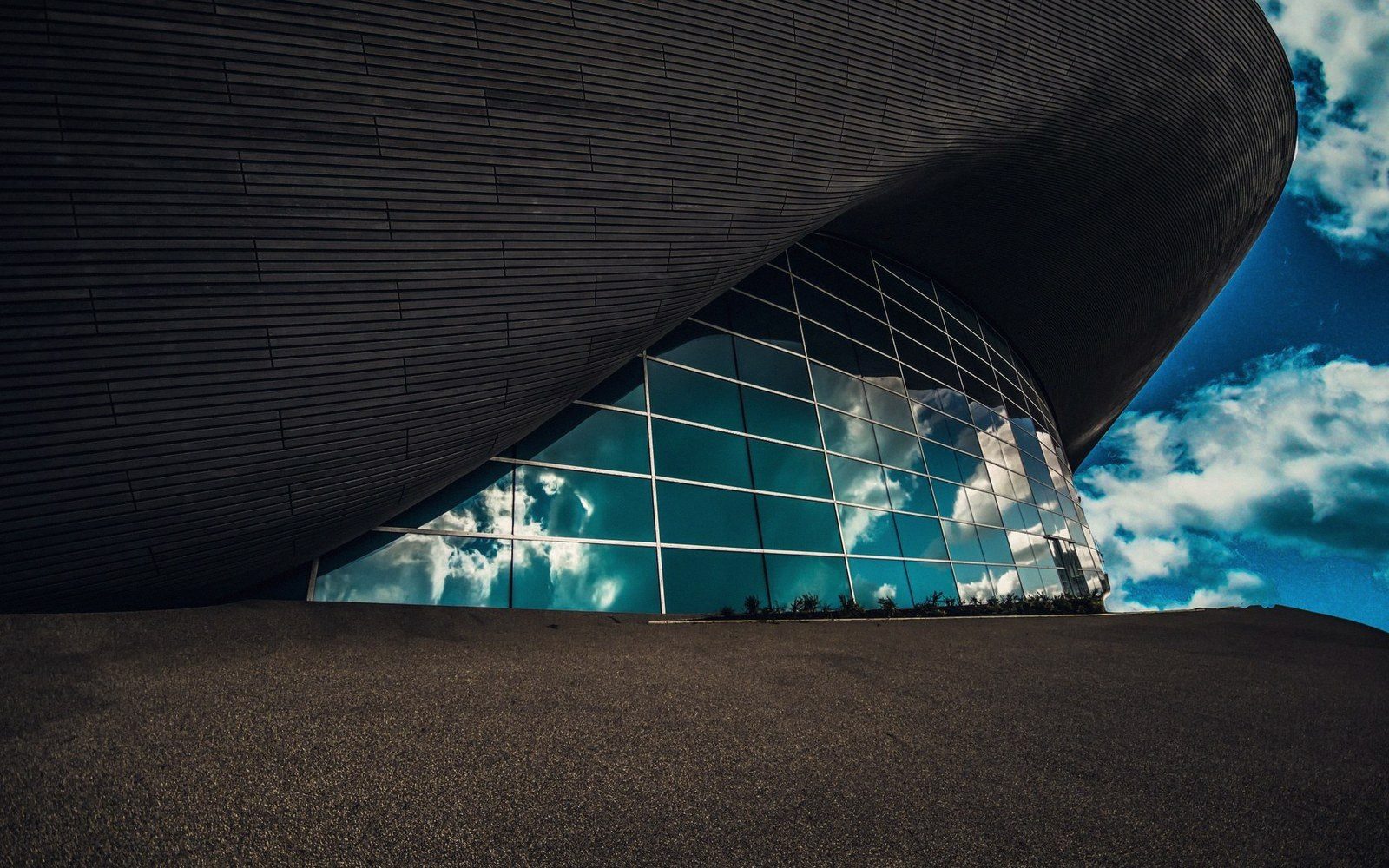
The swimming and aquatics facility was among the more straightforward cases. Aquatics centres require continuous programming to justify their operating costs — lane time for clubs, public sessions, competitive meets — and Gwangju had a pre-existing aquatics culture that the facility could serve. The venue moved into the management of a city-affiliated sports authority after the games, a pattern common to major purpose-built facilities from events of this scale. Whether the operating subsidy required to keep it viable was absorbed comfortably or strained the managing body's budget is not a figure readily available in public sources.
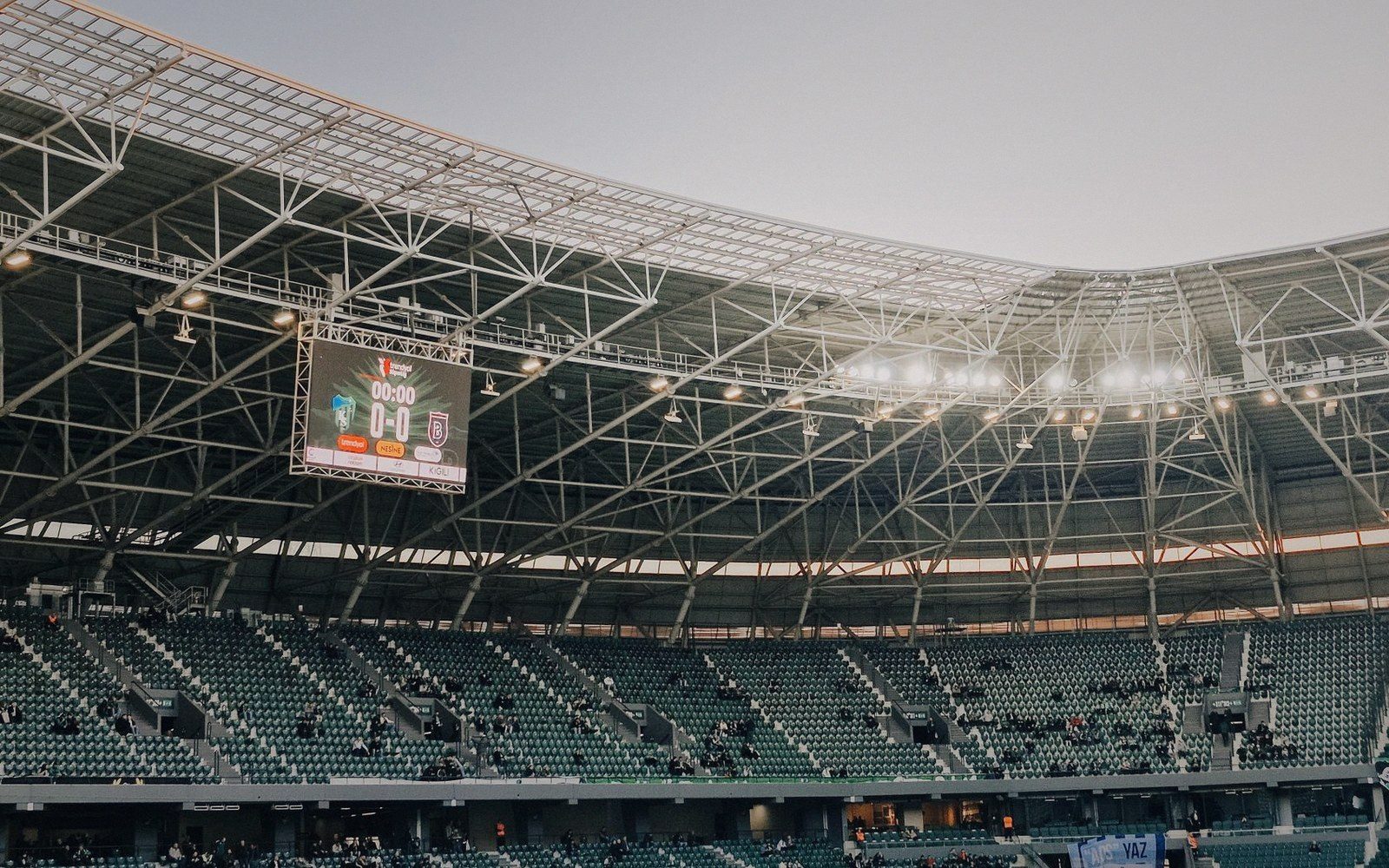
The main athletics stadium had a more complex afterlife. Large-capacity track-and-field venues are notoriously difficult to programme outside a games context — the sports that use them draw smaller crowds in ordinary competition, and converting them to football or other high-attendance uses requires either compromise or reconstruction. Gwangju's stadium existed in a city that already had major football infrastructure, which limited the obvious fallback. It remained in public ownership, available for competition and civic events, though filling its upper tiers for routine meets presented exactly the challenge that characterises this category of venue at every comparable games.
The indoor arenas used for gymnastics, combat sports, and court disciplines generally performed better. These are flex spaces — sufficiently generic that they can host university competitions, regional championships, and events with no sporting content at all. Several of the Universiade's indoor venues had university affiliations that gave them a programmatic anchor. A university-affiliated arena that hosts its institution's own competitions, serves as a training facility for student athletes, and takes in visiting events from the regional calendar has a story that quietly works, even if it never generates headlines. That description fits at least some of what Gwangju left behind.
The venues purpose-built on university campuses were the clearest legacy cases, for obvious reasons. A shooting or fencing or table tennis facility built at a university for a Universiade is not stranded when the games end — it has a ready user community, an institutional operator, a maintenance structure already in place. The question of which venues find a second life tends to resolve itself along those lines: proximity to an established institution with both the incentive and the capacity to programme a facility is the single most reliable predictor of whether the investment persists.
The Infrastructure That Wasn't Photographed
Some of what Gwangju gained from hosting the Universiade had nothing directly to do with sport. Road upgrades, public transport improvements, and utility work that the games required were completed on a timeline the city might not otherwise have achieved. This is a common feature of multi-sport event hosting, and it is genuinely ambiguous: the improvements are real, but so is the possibility that the same public investment, deployed differently, might have served more of the city. Gwangju is a mid-sized South Korean city with its own political economy, its own set of civic priorities, and its own relationship to central government infrastructure funding. The games operated within that context, accelerating some things and deferring others.
The area around the athletes' village received improvements — street-level retail provision, transport links, public space — that were directly tied to games preparation. In the years after the event, that neighbourhood's character was shaped partly by those improvements and partly by the housing that followed. Whether the balance between the two produced something genuinely useful or a slightly awkward hybrid of games-era planning and post-hoc adaptation is the kind of question that urban analysts ask and that residents answer through their choices about where to live.
Broadcast and communications infrastructure installed for the games was, as in most cases, either removed or absorbed into the city's general network. This category of investment tends to be the most invisible in legacy assessments — it is not a building that can be photographed, so it rarely appears in retrospective accounts, but it is also not nothing. Upgraded data connectivity in a broadcast hub or an athlete services building can migrate into uses that have no visible connection to the original purpose.
The Condition of the Student-Athlete
Gwangju 2015 was, like every Universiade, a competition for athletes who were simultaneously enrolled students. That condition is genuinely complicated: the eligibility window is narrow, training and academic calendars do not align naturally, and the institutional support available to student-athletes varies enormously by country and by sport. The games did not resolve those tensions — no single event can — but the Gwangju experience added one data point to the accumulated record of what that condition looks like when played out at scale in a city that had invested heavily in being a good host. Korean student-athletes competed in front of home crowds in facilities that had been built or upgraded specifically for this occasion. For athletes from smaller delegations, the experience of competing in a well-resourced venue without the weight of an Olympic spotlight was something different from either a major games or a conventional student competition. That is the register the Universiade occupies, and Gwangju's edition inhabited it in reasonably characteristic fashion.
What Didn't Work
The honest accounting of Gwangju's legacy includes the venues that were underused, the programming gaps, the facilities whose operating costs ran ahead of the revenue and community use that materialised to support them. This is not a scandal — it is the structural condition of post-games venue management everywhere, and it reflects the fundamental mismatch between the concentrated demand of a multi-sport event and the dispersed, lower-intensity demand of everyday urban sport. A city builds to peak capacity, then operates in a world where peak capacity is almost never required.
Some of Gwangju's smaller competition venues quietly reverted to their pre-games roles or found adjacent uses that bore little resemblance to what the bid document had imagined for them. This, too, is unremarkable. Legacy is always a bet placed on future conditions that cannot be fully known at the moment the ground is broken. The bid promises what seems plausible; the years after deliver what actually happens, which is neither the best nor the worst version of the story.
A City's Ordinary Life
Gwangju is not defined by the Universiade. It is a city with its own industrial and cultural character — historically significant in South Korea's democratic movement, with a contemporary identity that includes art, food, and a regional economy that is not primarily organised around sport. The games passed through that city the way large events do: intensely for a period, then receding. What persists is a layer of physical infrastructure — some well-used, some struggling, some quietly repurposed — and a set of memories that belong to the people who were there.
That is roughly what cities get when they host. Not transformation. Not ruin. A layer added to what was already there, useful in places, awkward in others, gradually becoming simply part of the city — the aquatics centre that has always been there, the road that was widened for reasons nobody now quite recalls, the apartment block in the north of the city where athletes once slept.