01 — BID
Not the Olympics, Not Quite Not the Olympics
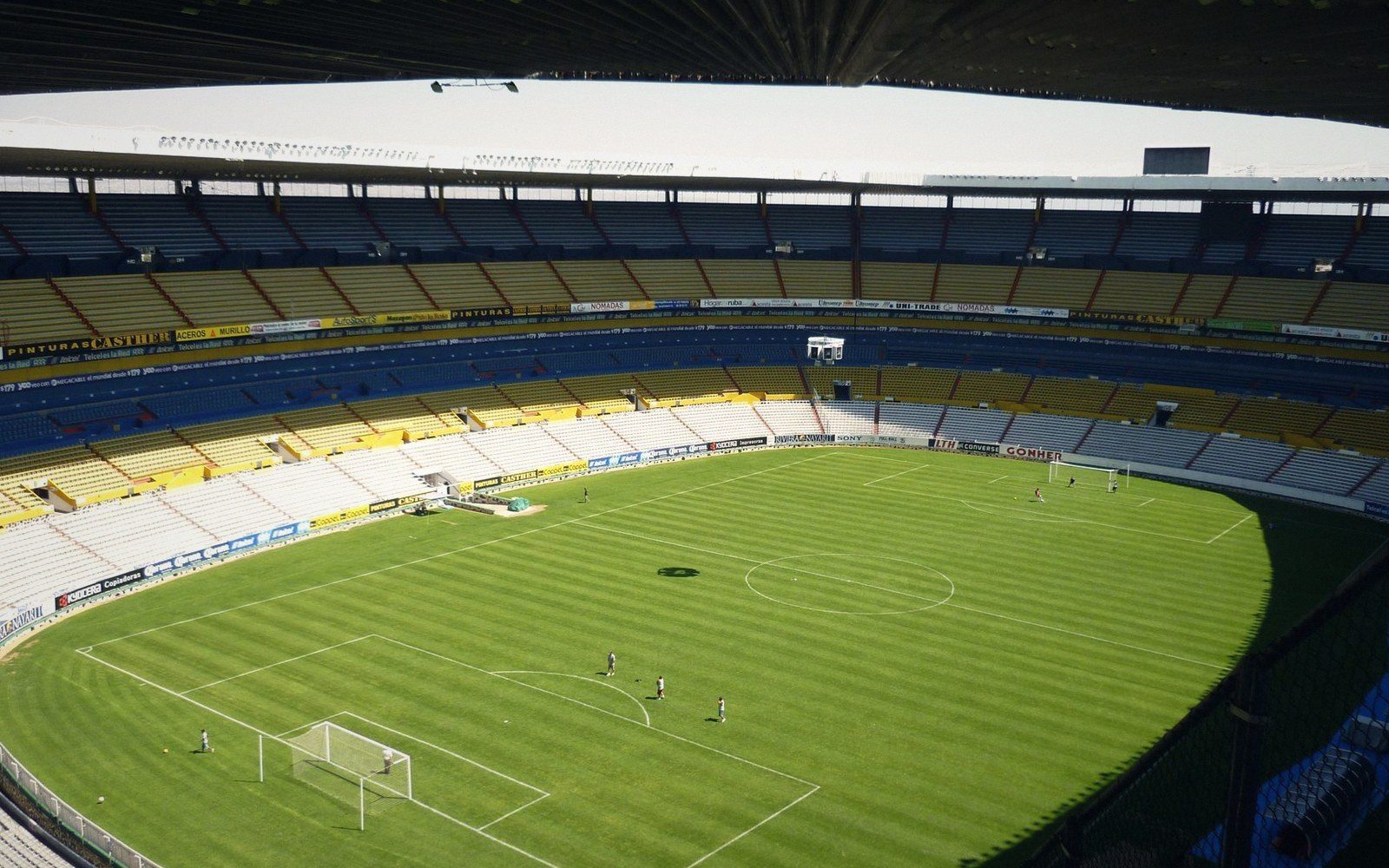
The Universiade is a multi-sport games held every two years, alternating between summer and winter editions. Understanding what it is — and isn't — makes everything else about Gwangju in 2015 legible.
What the Universiade Actually Is
The governing body is FISU, the Fédération Internationale du Sport Universitaire, founded in 1949 and headquartered in Lausanne. FISU organises the games under a mandate that is genuinely different from the International Olympic Committee's: participation is tied to student status, with athletes typically enrolled in university and falling within a specific age band. The competition is real — athletes train seriously and the standard in many sports is high — but the eligibility filter means the field looks different from an Olympic one. Some sports send elite professionals to the Olympics while the Universiade draws from a parallel pool of university-enrolled competitors; in others, the gap is smaller.
The word Universiade compresses "university" and "Olympiade." That compression captures the event's structural ambiguity neatly.
The word Universiade compresses "university" and "Olympiade." That compression captures the event's structural ambiguity neatly. It borrows the Olympic furniture — an athletes' village, an opening ceremony, a torch relay, a sport programme running across multiple venues over roughly two weeks — but it operates at a scale and a budget that the IOC would not recognise as comparable. The gap is large in every measurable dimension: television rights, sponsorship revenue, global audience, and the political weight a host city carries into a bid. FISU and the IOC share a city, Lausanne, and a broad vocabulary, but they occupy different tiers of the international sports calendar.
Why the Structure Matters for a Host City
For Gwangju, a metropolitan city in southwestern South Korea, the 2015 Summer Universiade was the largest international multi-sport event the city had hosted. The games ran across a network of existing and newly constructed venues, required a dedicated athletes' village, and involved a sport programme spanning around twenty disciplines. Planning began years in advance. Infrastructure decisions made for a two-week window were expected to serve the city for decades after.
That temporal gap — years of construction, a fortnight of competition, then a much longer period of operation — is the central tension any Universiade host manages. The event creates pressure and deadlines that drive decisions about what to build, where to build it, and to what specification. But the buildings stay when the athletes go home, and whether they become useful parts of the city or expensive white elephants depends on choices made well before the opening ceremony.
The Universiade is not unique in this. Any multi-sport games imposes the same logic. What makes the Universiade specific is its scale relative to a typical host city's existing sports infrastructure. Gwangju was not Seoul. A city without an Olympic legacy, hosting an event requiring a full venue inventory, faces a different calculation than a metropolis with facilities already in place. The games can justify construction that would otherwise struggle to find funding. It can also saddle a city with capacity it cannot fill afterward.

The Student-Athlete Variable
There is one structural element the Olympics does not have: the enrolled-student requirement. At a Universiade, the competitor is nominally a student first and an athlete second — or at least the eligibility rules maintain that fiction carefully. In practice, the boundary between high-performance sport and university enrollment is managed differently in different national systems. Some countries build their elite development pathways through university sport; others treat university enrollment as an administrative box athletes check while training full-time. The Universiade sits at that intersection, and the tension it produces runs through everything from the village's design to the rhythm of the competition schedule.
That tension — between the event's Olympic ambitions and its academic credentials, between infrastructure built for two weeks and cities that endure for generations — is what this guide is built to examine. Gwangju in 2015 is the case study. Everything starts here.