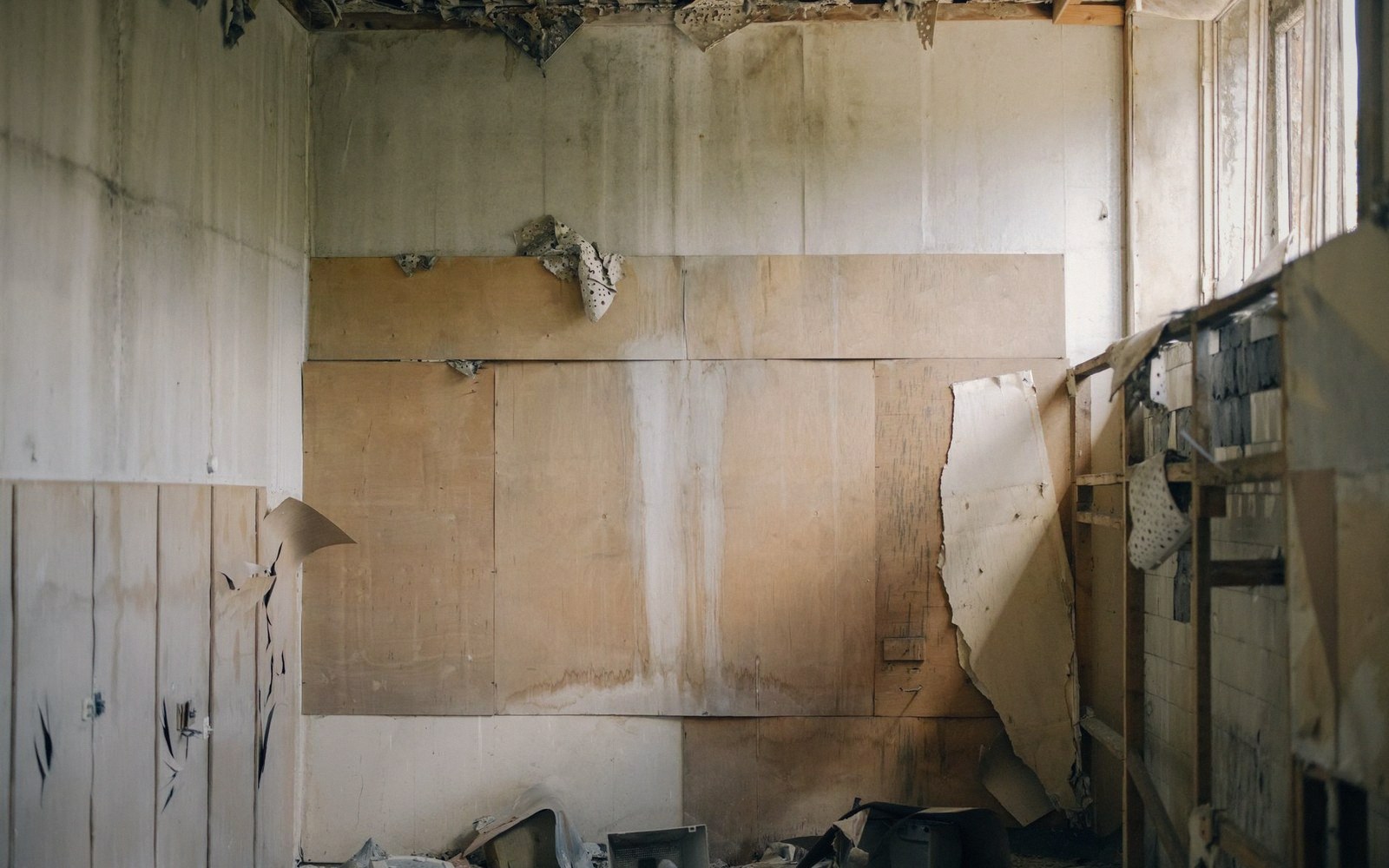
The unglamorous fortnight that ends every Universiade, and why it is harder than it looks: handing borrowed venues back to their owners.
The Last Task Nobody Photographs
The closing ceremony ends, the flame is extinguished, and the machinery of a Universiade quietly reverses direction. Where the preceding years were additive — acquiring land, building venues, fitting out facilities, accrediting thousands — the fortnight that follows is almost entirely subtractive. Temporary structures come down. Equipment is catalogued and moved. Signage is stripped. Venues that were borrowed from universities, municipalities and sports federations are handed back to their owners, often in contractually specified condition, sometimes in better shape than when they arrived, occasionally in worse.
This process goes by a formal name — venue handback, or close-down operations — but it resists narrative.
This process goes by a formal name — venue handback, or close-down operations — but it resists narrative. No broadcast team covers it. The athletes have gone home. The accreditation system that governed every door and every corridor is suspended, and the vast volunteer workforce that staffed the games has dispersed. What remains is a much smaller, specialist group: venue managers working through punch-lists, logistics contractors loading trucks, and lawyers cross-referencing the agreements signed years earlier against the state of the building in front of them.
In Gwangju, where the 2015 Summer Universiade stretched across dozens of competition and training sites spread through the city and its surroundings, this close-down phase involved a venue inventory that had taken years to assemble. The sheer count of facilities — competition venues, training venues, the athletes' village, ancillary infrastructure — meant that handback was not a single event but a rolling series of bilateral transactions, each governed by its own timeline and its own set of obligations.
Overlay, Furniture, and the Things That Belong to Nobody
The most visible close-down work concerns what event professionals call overlay — the temporary installations that transform an existing facility into a games-ready one. This includes the branded wayfinding that covers permanent signage, the hospitality structures bolted to the outside of arenas, the timing and results display equipment installed inside them, the athlete warm-up areas created in parking lots and corridors, and the kilometres of cable management that connect everything to a temporary broadcast and communications infrastructure.
Overlay is, by definition, reversible. The promise made to a venue owner — a university sports hall, a municipal swimming complex, a public park — is that the facility will be returned to its pre-games state within an agreed period. That promise sounds simple. In practice it requires detailed pre-games surveys documenting every existing scratch, stain and structural element, because any damage that cannot be attributed to the overlay installation must be disputed, and disputes at this stage are expensive and slow. Gwangju's venues ranged from purpose-built structures raised for the games to existing facilities with their own operational schedules that had been suspended or restructured for the competition period. Each category carried different handback requirements.
Beyond overlay, there is the equipment question. A Universiade requires an enormous quantity of portable assets: field-of-play equipment, athlete furniture, accreditation hardware, medical supplies, vehicle fleets, IT infrastructure. Some of this is owned outright by the organising committee; some is leased; some is on loan from FISU or from national federations. Distinguishing between categories, tracking physical location, and arranging appropriate return or disposal is a logistical task that begins during the games and continues for weeks afterward. Equipment that is lost, damaged or misclassified is a financial liability. The paperwork governing this is detailed precisely because experience has shown that informal arrangements at this scale consistently fail.
Who Owns the Building Now
The more structurally complex handbacks involve the permanent venues — the new aquatics centre, the athletics stadium, the new or substantially renovated arenas. These were not borrowed in any casual sense; they were built to specification on land that carries long-term commitments. At Gwangju, as at every Universiade host, the legal ownership arrangements for major venues were established well before construction began, but the operational transition — from organising committee management to whatever body takes permanent charge — is a separate and sometimes contentious process.
The organising committee, as a purpose-built legal entity, has a defined lifespan. It exists to plan, prepare and run the games, and its legal mandate does not typically extend far beyond the close-down period. This creates a structural awkwardness: the body with the deepest institutional knowledge of the venues is also the body that is winding itself down, transferring staff, dissolving contracts and preparing its own final accounts. The incoming operators — municipal authorities, university sports departments, commercial operators — must absorb this knowledge quickly, before it walks out the door.
What the handback fortnight actually requires, then, is not just physical restoration but institutional transfer: documentation of venue systems, maintenance records, supplier contacts, operational lessons. The venues that go on to find genuine second lives after a games are typically those where this knowledge transfer was treated as seriously as the physical close-down. The ones that sit underused are often those where the process was rushed, the documentation incomplete, or the incoming operator underfunded from the start.
The borrowed city is returned. What it becomes next is another question entirely.